Norochchole Coal-Fired Power Plant
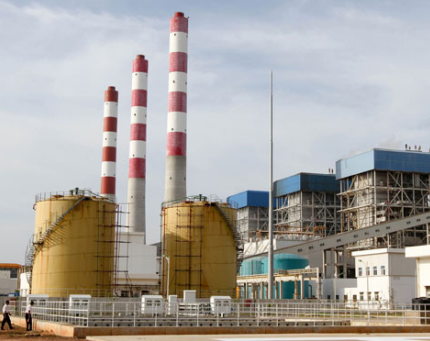
The Lakvijaya Power Station is the largest power station in Sri Lanka.The power station is in Norocholai,
Puttalam, on the southern end of the Kalpitiya Peninsula.
Construction of the facility began on 11 May 2006, with the first unit commissioning on 22 March 2011.The first
300-megawatt phase was completed and ceremonially
commissioned by President Mahinda Rajapaksa on 22 March 2011 at 18:27 local time, with the presence of Minister
of Energy Champika Ranawaka, deputy Minister of Energy
Premalal Jayasekara. According to the Ceylon Electricity Board, the US$455 million first phase generates nearly
1.7 TWh of electricity annually — a significant
amount when compared to Sri Lanka's total production of 11.5 TWh in 2011. The plant is connected to the grid via
115 km (71 mi) 220-kilovolt transmission line to
Veyangoda. Power station exhausts are emitted through a 150 m (492 ft) tall chimney, one of the country's
tallest man-made structures. During its pre-development
stages, protests were launched by residents living at the project site, claiming that they were deceived by the
government.
Incidents
Since its creation the power plant has faced several breakdowns. It has been alleged by the Power and Renewable
Energy Deputy Minister, Ajith P. Perera, that the
power plant was built with substandard and outdated material and is below international standards, and that the
government is unable to claim any damages as the
Rajapaksa government agreed to use the materials specified in the agreement which are sub-standard.A large fire
broke out on 24 October 2010. According to the
Ceylon Electricity Board, there were no casualties. The Ministry of Power and Energy commented that damages to
the facility would be borne by the constructors and not
the government or the developers.On 22 July 2012, the power station ceased operations due to a leak in one of
the thousands of tubes carrying water between the
boilers. The country was put into controlled regional power outages to cope with the missing 300MW. On 8 August
2012, a tripping of the powerline from Lakvijaya
caused the power station to cease operations. The generation capacity of the power station exceeded its designed
levels of 300MW on 29 January 2013, causing a
complete shutdown. The plant was reactivated a day later.On 13 March 2016, an island-wide power outage occurred,
which caused the power plant to fail.
Technical error in generator 2 of the Norochcholai coal power plant caused an island-wide blackout on 18 March
2019. The breakdown has caused a loss of 270 MW to the
national grid as the Norochcholai coal power plant fulfills 15% of Sri Lanka’s power supply.
Operation
Aerial photo of the power station in January 2010.In the plant, the electricity is produced using a steam
turbine which is capable of producing 300MW. Coal is used as
the fuel to produce steam that will then be used to rotate the turbine at a speed of 3000 rpm. The coal is
imported from Indonesia. The coal in India is cheaper as
compared with Indonesia, but Indonesian coal is used since the Indian coal contains more sulfur. Despite this,
the vessels that carry coal come from a Russian port.
[15]At first the coal is brought from Indonesia via ships (65 tons per ship). The ships are anchored around 5 km
from shore. This coal is brought in to the plant by
using barges (long flat-bottomed boats) and then by conveyors.The coal should be maintained around 10% moisture
content immediately before it is used. It needs to be
ground as powder before it is burnt. There are five "mills" that pulverize (grind) the coal. Four ball mills
work at a time while another one is in standby.
Kelanitissa Power Plant-Thermal Power
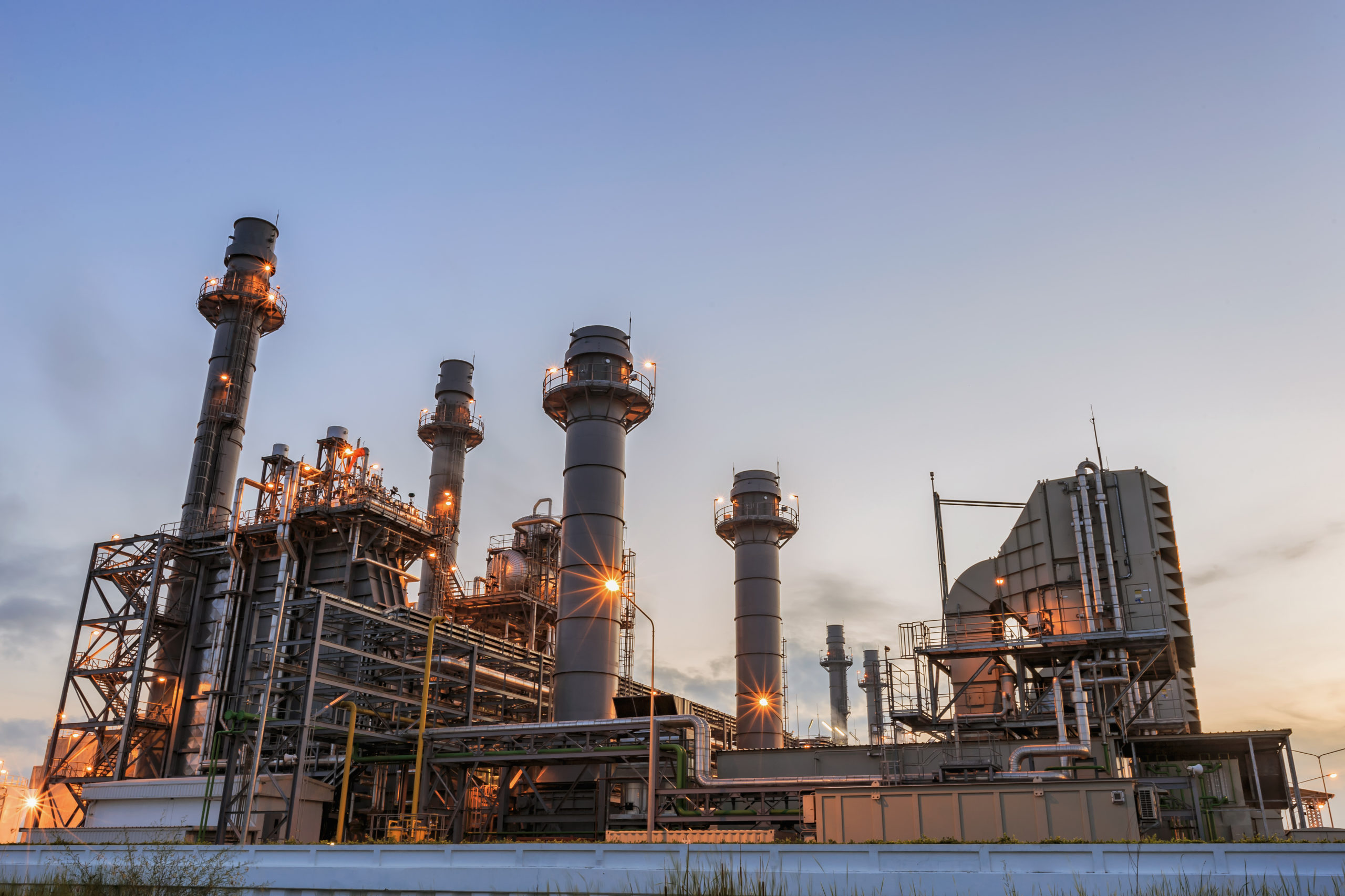
The Kelanitissa Power Station is a state-owned power station located on the south bank of the Kelani River in the northern part of the city of Colombo, Sri Lanka. Commissioned in 1964, it is the first thermal power station built in Sri Lanka, after the country gained independence. The facility has a current gross installed capacity of 360 MW, a significant amount when compared to the total installed capacity of nearly 4,086 MW in the year 2017.[1] The facility is owned and operated by the Ceylon Electricity Board.The power station has a total of 10 generation units: two 25 MW boiler steam units, six 20 MW gas turbines, one 115 MW gas turbine, and one 165 MW combined cycle unit. As of 2018, both 25 MW units and two 20 MW units were decommissioned after the commissioning of the combined cycle unit. The old units are now used as peak-load units. The 115 MW was sent to Italy for renovations in 2011.[4]The newest 165 MW naphtha-fuelled combined cycle unit was commissioned in August 2002.It consists of a 110 MW gas turbine and a 55 MW steam turbine, and one exhaust heat recovery boiler.The project was funded by the Overseas Economic Cooperation Fund of Japan. Initially, the capacity was planned at 150 MW with two or three 37–67 MW units, but a single unit with higher capacity was subsequently chosen.
Kevalapitiya Power Plant-Thermal Power
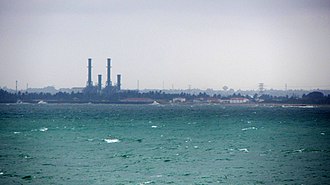
The Yugadanavi Power Station (also known as Kerawalapitiya Power Station) is a large oil-fired power station in
Sri Lanka. The 300 MW power station is located in Kerawalapitiya,in the Western
Province of Sri Lanka.Construction of the power station began in November 2007, and progressed in two phases,
with the first 200 MW phase completing in a record 10 months, and the second
phase completing later in February 2010. Phase 1 of the power station was ceremonially inaugurated by President
Mahinda Rajapakse on 8 December 2008.The US$300 million power station was
supported by a €152 million debt component through HSBC, which was supported by export credit agencies in the
United States, Germany, Netherlands, Poland, France, and Austria.
Specifications
Built over a 25 acres (0.10 km2) site, the power station will utilize two 100 MW GE Frame 9E Gas Turbines and
one GE steam turbine, and will generate approximately 1,800 GWh annually.
The facility uses 25,000 m3/h (880,000 cu ft/h) of seawater for cooling.
Conversion to LNG
On September 21, 2021, U.S. infrastructure firm New Fortress Energy announced they have acquired 40% stake in
West Coast Power (Pvt) Ltd the owner of Yugadanavi power station along with the
rights to develop a new LNG Terminal off the coast of Colombo that will supply LNG to the power plant. The
agreement was approved by the Sri Lankan government allowing New Fortress Energy's
investment in West Coast Power Ltd. Trade Unions of the Ceylon Electricity Board (CEB) oppose the agreement and
warned the Government of an islandwide power outage after 3 November if
it fails to withdraw from the controversial agreement.
Matagama Power Plant-Thermal Power
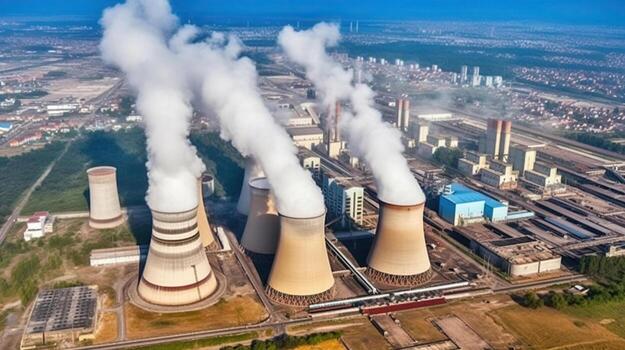
Matugama is a town in the Kalutara District of the Western Province of Sri Lanka. It lies inland (though not far
from the coast) and serves as a
local urban‐centre for surrounding agricultural and semirural areas.
Thermal Power Plant?
When you asked about a “Matugama power plant — thermal power in Sri Lanka,” the publicly available information
does not confirm a well‑documented
large thermal power station located specifically in Matugama that is prominently listed among the major thermal
plants of the Ceylon Electricity
Board (CEB). Here’s what is known:
What is known
CEB’s Annual Report for 2022 states that their “Thermal Complex” (oilfired + coalfired plants) generated about
1,339.4GWh in 2022.
Public Finance +1 Within various documents, smallscale plants are noted in places like Matugama, Kolonnawa and
Thulhiriya having halted operations
due to lack of diesel/fuel. For example, an article mentions:
“smallscale power plants owned by CEB in Matugama, Kolonnawa and Thulhiriya have also halted operations due to
the lack of diesel.”
adaderana.lk There is a “Matugama Solar Project” (1.1MWdc) located in Matugama (i.e., a solar plant, not a
thermal plant). powerconsult.lk +1
What is not clearly found
No major published source identifies a largescale oilfired or coalfired thermal (i.e., fossil fuel) power
station with significant installed
capacity sited at Matugama, in the way that other stations like Sapugaskanda Power Station or Kelanitissa Power
Station are documented.There fore,
if there is a “Matugama Thermal Power Plant,” it may be smallscale (diesel/generator) or private/IPP
(Independent Power Producer), and not among the
major CEB listed large thermal complexes.
Possible Interpretations & Details
Given the above, here are some possible scenarios and relevant details that help clarify:
The mention in news of “Matugama … smallscale power plants” suggests that in Matugama there is perhaps a smaller
thermal‑generator setup
(diesel/gas) likely for localized supply or as backup/peaking, rather than a full largescale baseload plant.The
presence of the Matugama Solar
Project indicates energy infrastructure exists in the area, though in the renewable space rather than fossilfuel
thermal.Overall the Sri Lankan grid
relies on a mix including hydro, coal, oil/thermal. For example: in 2017, “thermal oil” and “thermal coal” had
significant shares. policy.
asiapacificenergy.org +1 The lack of detailed public data on “Matugama Thermal Plant” perhaps reflects: It may
be small scale and thus less
documented.It may not be operating currently (fuel shortage etc).It may operate under an IPP or private
arrangement not in the main CEB generation
reports.
Summary
If you are looking for a major thermal power station at Matugama, the evidence is scant in public sources — no
large capacity fossil fuel plant
explicitly labelled “Matugama Power Plant (Thermal)” shows up.There is indication of smaller thermal generation
in the Matugama area (diesel
generators) and renewable energy infrastructure.For large baseload thermal plants in the Western Province / Sri
Lanka, other sites are better
documented (e.g., Sapugaskanda, Kelanitissa).If you like, I can check private IPP registers and government
energy project databases for Matugama to
see if there is a less visible/under documented thermal plant there. Would you like me to dig that up?
Yudaganavi Power Plant - Hydropower
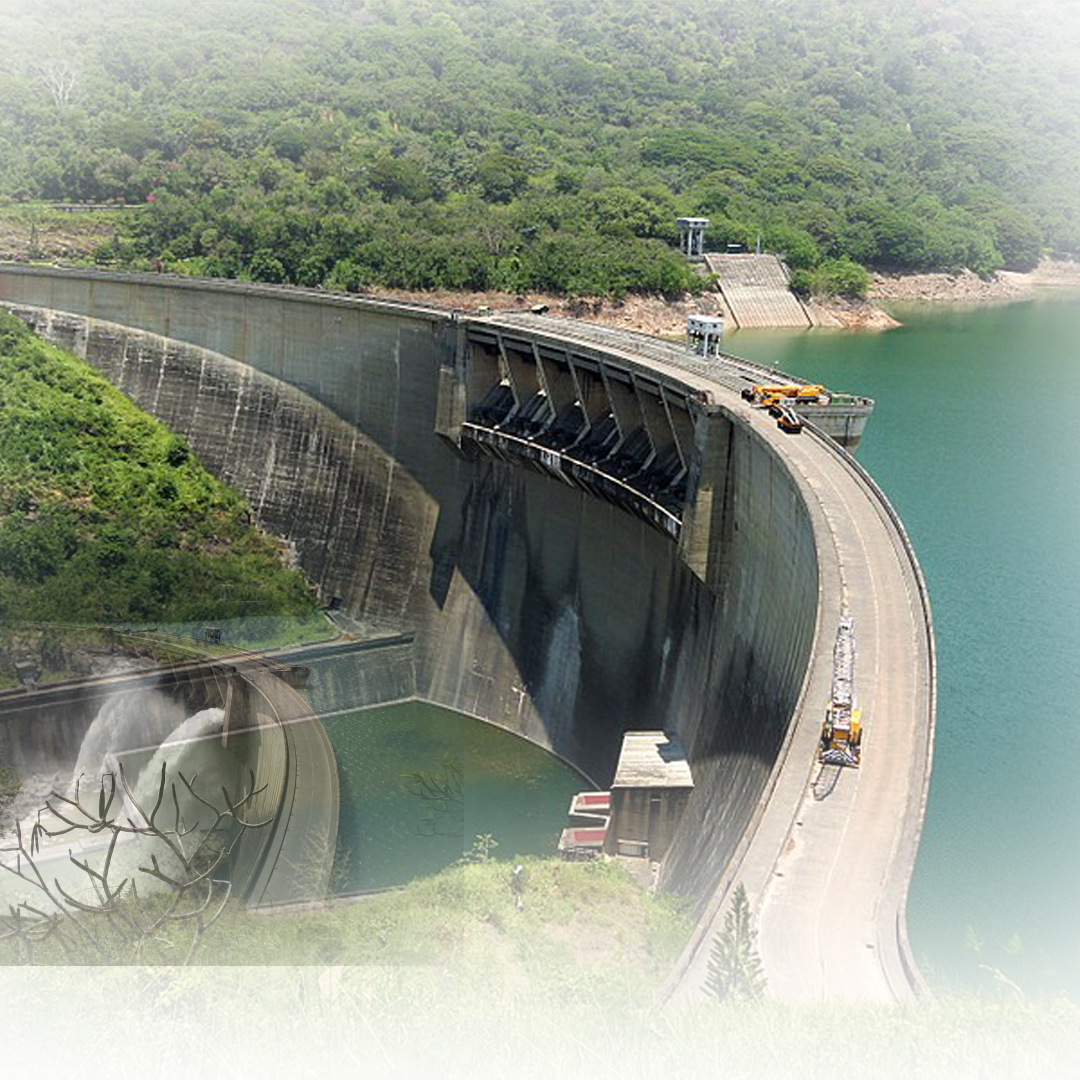
The Yugadanavi Power Station (also known as Kerawalapitiya Power Station) is a large oil-fired power station in
Sri Lanka. The 300 MW power station
is located in Kerawalapitiya, in the Western Province of Sri Lanka.Construction of the power station began in
November 2007, and progressed in
two phases, with the first 200 MW phase completing in a record 10 months, and the second phase completing later
in February 2010. Phase 1 of the
power station was ceremonially inaugurated by President Mahinda Rajapakse on 8 December 2008.The US$300 million
power station was supported by a
€152 million debt component through HSBC, which was supported by export credit agencies in the United States,
Germany, Netherlands, Poland, France,
and Austria.
Specifications
Built over a 25 acres (0.10 km2) site, the power station will utilize two 100 MW GE Frame 9E Gas Turbines and
one GE steam turbine, and will generate
approximately 1,800 GWh annually.The facility uses 25,000 m3/h (880,000 cu ft/h) of seawater for
cooling.
Conversion to LNG
On September 21, 2021, U.S. infrastructure firm New Fortress Energy announced they have acquired 40% stake in
West Coast Power (Pvt) Ltd the owner
of Yugadanavi power station along with the rights to develop a new LNG Terminal off the coast of Colombo that
will supply LNG to the power plant.
The agreement was approved by the Sri Lankan government allowing New Fortress Energy's investment in West Coast
Power Ltd.Trade Unions of the Ceylon
Electricity Board (CEB) oppose the agreement and warned the Government of an islandwide power outage after 3
November if it fails to withdraw from
the controversial agreement.
Sapugaskanda Power Plant - Oil refinery
The Sapugaskanda is a 160 megawatt power station located in Sapugaskanda, adjacent to the Sapugaskanda Oil Refinery, in the Western Province of Sri Lanka.The power station consists of twelve generating units, supplied by MAN, and Siemens. Four of the units are rated at 20 MW, while the remaining eight are rated at 10 MW. The power station is operated by the Ceylon Electricity Board.Units 1-2 were commissioned in May 1984, unit 3 in September 1984, unit 4 in October 1984. These four 20 MW units make up the Sapugaskanda-A division.Units 5-8 were commissioned in September 1997, and units 8-12 in October 1999, which together make up the Sapugaskanda-B division. All units run on diesel.
Lakshapana Power Plant - Hydropower
Ntroduction
Laxapana Complex can be described as Kehelgamu – Maskeli Oya complex, as the five power stations in the Laxapana
Complex are situated along
Kehelgamu oya and Maskeli Oya. The main large reservoir at the top of Kehelgamu oya is Castlereagh reservoir,
where the rain water from the
catchment area above the reservoir gets collected. Main reservoir associated with Maskeli oya is Maussakelle
reservoir.
The Process in Brief
Water collected in the Castlereagh reservoir is brought down along a power tunnel to Wimalasurendra power
station to operate the two hydro
turbine-generators, each 25 MW in capacity. Water released from Wimalasurendra power plants after operation,
gets collected in Norton pond, which is
not a large reservoir. This water is brought down along another tunnel to Old Laxapana power station to operate
five turbine-generator units, where
03 units are of 8.33 MW and other two units of 12.5 MW. Water released after operations of Old Laxapana machines
gets collected in Laxapana pond.
Similarly, water collected in Maussakelle reservoir is taken along a tunnel to operate the two Canyon machines
of 30 MW each. Water discharged after
operations gets collected in Canyon pond. This water is brought down along another tunnel to operate the two New
Laxapana machines which are 50 MW
each. These two machines release the water to Laxapana pond as Old Laxapana machines.Water collected in Laxapana
pond is taken along a tunnel to
operate the two machines, which are 37.5 MW each, at Samanala power station at Polpitiya. Water released from
Samanala machines flow into the Kelani
river, which is formed by Kehelgamu oya and Maskeli oya.
Randenigala Power Plant - Hydropower
The Randenigala Project, the fourth major multi-purpose project and the largest reservoir under the Accelerated
Mahaweli Development Programme.
Randenigala project is located about 26 km. below the Victoria Head works and 6 km. upstream of Minipe anicut
from where the main Right Bank and
Left Bank canals will divert the Mahaweli waters for irrigation. It is also the reservoir with the largest
storage capacity having gross storage of
860 million cubic metres (697,000 acre ft.) at full supply level. The project is expected to generate about 525
GWh of electrical energy which
amounts to 20% of the island’s present demand. It will serve as the most important base reservoir for water
management in System ‘A’, ‘B’ and ‘C’.
Project Features
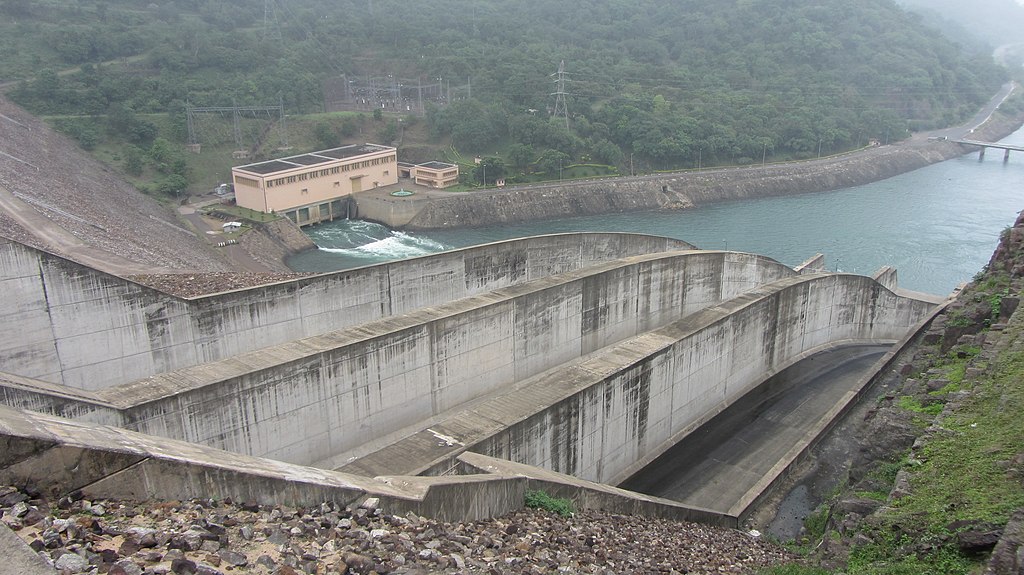
The project mainly consists of the construction of a 94 m.(308 ft) high, 485 m.(1590 ft.) long Rock-fill dam
across Mahaweli, created a reservoir of
860 million cu.m. (697,000 ac.ft.). The Power House on the Left bank immediately downstream of the dam has an
installed capacity of 126 MW. A steel
lined tunnel 6.2 m. dieameter, 270 m. long, convey water to the Power House to run the turbines. The triple
gated chute spillway is 48 M. wide, about
232m. long and is capable of discharging the probable maximum flood of 8085 cumecs.
Financing
The total cost of these Headworks is approximately Rs. 4898 million of which Rs. 1207 million is the local
component and Dautsche Marks 410 million
is the foreign component in 1985. The Federal Republic of Germany first granted a loan for a value of about DM
240 million (Rs.2160 million) and has
extended a loan to the value of DM 400 million on favourable terms for Randenigala Project. (Rs. 2,528,455 as at
the balance sheet 2004) (Rs.’000).
Consultancy services
The consultants for the Project is Joint Venture Randenigala (JVR), a firms, Salzgitter Consult GmbH, Agrar-Und
Hydro-technik GmbH and Electrowatt
Engineering Services Ltd along with the Engineers of the Central Engineering Consultancy Bureau.
(CECB)Construction work commenced in 1982. The
reservoir was impounded in March 1986, construction of the rockfill dam, spillway and power station were
completed in 1986, according to schedule.
The two turbine generator units were commissioned in August and September 1986.
Samanalawewa Power Plant - Hydropower
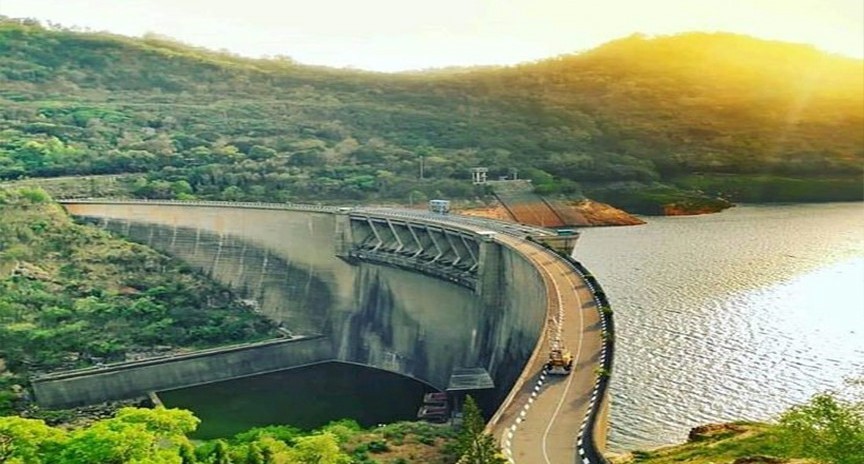
Samanalawewa Power Station is located at Kapugala which is about 160km southeast of Colombo east of the town of Balangoda. Samanalawewa reservior and dam is located on the Walawe Ganga immediately downstream of the confluence with the Belihul Oya and immediately upstream of the Matihakke Ara.The dam is of the rockfill type with a clay core having a crest level of 463.5m, 107.5m above the riverbed level, with crest length of 480m. The dam structure includes an overflow chute spillway with three radial gates on the left bank and a low-level outlet and irrigation discharge outlet also on the left bank. The reservoir impounded by the dam extends approximately 8km on both the Walawe Ganga and Belihul Oya. At the normal retention level of 460m it has a gross storage capacity of 275 x 106 m3 and a live storage capacity of 215 x 106 m3 above the minimum level of 424m.The intake to the waterway system is located 7km upstream from the dam site. The intake structure includes screens and hydraulically operated wheel gates. The waterway system consists of a 4800m long, 5.5m diameter concrete lined horseshoe shape low pressure tunnel, 18m diameter concrete surge chamber, 4.5 diameter steel lined tunnel 5.15km long and a 3.2m equivalent diameter 655m long steel penstock leading to the power station where it bifurcates to the two turbines. At the top of the penstock are two 3.85m diameter portal valves one connecting to the penstock and the other blanked off on the downstream side of the valve.The surface power station is located in the left bank of the Katupath Oya. The power station is equipped with two vertical shaft salient pole 3 phase generators each rated at 70.6MW. The generator voltage is 10.5kV and the output is 60MW at 0.85pf at 50Hz. The prime movers are 70.2MW Francis turbine units running at 500rpm, and water discharging into a 580m long tailrace canal. Energy is transmitted from a 132kV switchyard over a double circuit 16km overhead line to a switching station at Balangoda, as well as another double circuit overhead tower line to the Embilipitiya Grid Sub Station.
Kotmale Power Plant - Hydropower
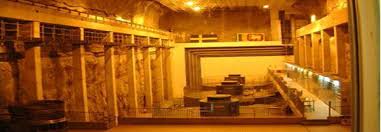
Kotmale Power Station is a 201MW hydro power project. It is located on Kotmale Oya, Mahaweli river/basin in
Central, Sri Lanka. The project is
currently active. It has been developed in single phase. Post completion of construction, the project got
commissioned in 1985. The project is
currently owned by Ceylon Electricity Board. The hydro reservoir capacity is 174 million cubic meter. The net
head of the project is 190m. The
project generated 420 GWh of electricity.
The Kotmale project is one of five major headworks projects being undertaken under the Accelerated Mahaweli
Ganga scheme. it is the most upstream of
these projects and develops the hydro potential of a major right bank tributary of the Mahaweli Ganga, the
Kotmale Oya.The Kotmale Oya flows through
the rural up-country of Sri Lanka passing ancient villages steeped in history and tea plantations of a more
recent ara. The tranquility of this river
valley has been changed recently with the construction work of the Kotmale Hydropower reservoir. Financial
assistance for the project has been
provided by the government of Sweden.
The Kotmale project was one of the first projects taken up under the Accelerated programme for development of
the Mahaweli ganga. The basic elements
of the project are a dam on the Kotmale Oya ( a tributary of the Mahaweli ganga) and a tunnel system leading to
a power station with the outfall of
the mahaweli ganga. The primary function of the project is the generation of electric power. Additional benefits
will arise from an increase in the
amount of irrigation water available at Polgolla due to regulation of flows in the Kotmale Oya.